

Pourquoi vos raisins changent de couleur en ce moment
En ce moment, sur l'East Bench au-dessus d'Osoyoos, les raisins de Moon Curser Vineyards changent de couleur. Cette année, c'est arrivé tôt. La véraison a commencé le lundi 13 juillet, soit neuf jours avant le début du 22 juillet de l'an dernier. C'est environ deux semaines d'avance sur un millésime typique à ce stade de la saison. Les baies vertes deviennent molles et violettes, bloc par bloc. La plupart des amateurs de vin ne voient jamais cette étape. Elle se passe dans un vignoble, en plein été, des semaines avant qu'on parle de vendanges. Mais c'est le moment précis où un raisin arrête de simplement grossir et commence à devenir du vin.
Qu'est-ce que la véraison, au juste
Ce moment porte un nom : la véraison. Jusque-là, le raisin n'a qu'un seul travail : grossir. Il gonfle d'eau, garde une acidité vive et reste dur et vert. La véraison actionne l'interrupteur. La baie s'attendrit. Le sucre commence à affluer depuis les feuilles de la vigne. Chez les raisins rouges, le pigment de couleur s'accumule dans la peau. C'est pourquoi une grappe passe du vert à un violet profond et mat en l'espace de deux semaines. L'acidité, qui montait depuis le printemps, commence à baisser.
Les vinificateurs considèrent généralement que c'est fait une fois que la moitié des baies d'une grappe ont tourné. C'est un repère utile, mais approximatif plutôt que précis. (Petit aveu : avant de travailler sur cette caisse, nous pensions que la véraison n'était qu'un mot chic pour dire « mûr ». C'est beaucoup plus précis que ça. Cette année, le moment exact s'est avéré plus important que d'habitude.)
Pourquoi neuf jours, ça compte
Un hiver doux qui a glissé directement vers un printemps hâtif explique l'avance de cette année. Une fois la véraison amorcée, le compte à rebours vers les vendanges est enclenché, alors les vinificateurs surveillent la date de près. Elle donne le rythme pour la gestion du feuillage, l'irrigation et, finalement, la date de récolte elle-même.
Le moment dépend aussi du cépage. Parmi les variétés moins courantes de Moon Curser, on trouve le Tempranillo, qui a tendance à tourner tôt et de façon fiable. L'équipe l'appelle leur canari : la semaine où le Tempranillo montre sa couleur donne habituellement le premier vrai indice sur l'allure du reste de la saison. L'an dernier, cet indice était arrivé environ une semaine avant un millésime normal. Cette année, il est arrivé une semaine avant ça encore. Deux années hâtives d'affilée, ce qui donne environ deux semaines d'avance sur la normale à la mi-juillet.
Un vrai coteau, une vraie équipe
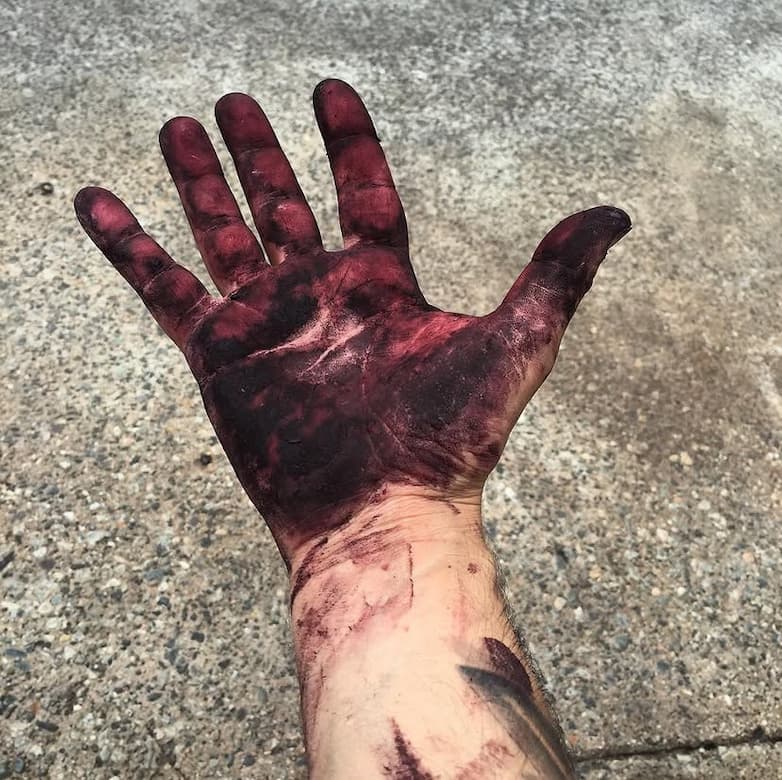
Moon Curser cultive l'East Bench au-dessus d'Osoyoos, l'une des poches de vignoble les plus sèches et les plus chaudes au Canada. La chaleur qui mène toute cette mécanique est restée exploitable la majeure partie de la saison, assez élevée pour maintenir la maturation dans les temps sans la bloquer. Cette semaine, par contre, le coteau tourne entre 37 et 40 degrés. La majeure partie du vignoble est plantée en cépages rouges à maturation tardive, alors ce début hâtif pourrait bien aider. Il espace la cueillette des blancs et des rouges précoces de la longue attente qui reste avant les rouges tardifs.
Le vinificateur Christian Scagnetti ne presse pas le calendrier pour autant. Le sucre s'accumule vite dans une chaleur comme celle-là, mais le sucre seul ne lui dit pas quand récolter. « C'est une chose d'être mûr en sucre, dit-il, mais si le profil aromatique et phénolique ne s'est pas développé jusqu'à un point où on se sent à l'aise, je suis tout à fait prêt à laisser le sucre monter un peu plus pour donner le temps aux saveurs et aux tanins de mûrir. Les chiffres ne racontent qu'une partie de l'histoire. La saveur, c'est quelque chose que la nature nous donne, et notre travail, c'est de nous assurer de récolter au moment parfait pour créer une expérience globale du vin. »
Ce que ça signifie pour la bouteille dans votre caisse
Moon Curser prévoit récolter ses raisins pour mousseux vers la dernière semaine d'août cette année, les vins blancs tranquilles suivant peu après. Rien de tout ça ne suit un horaire qui s'insère bien dans un calendrier marketing. Ça suit son cours parce qu'un coteau précis a reçu une quantité précise de chaleur cette année. Une petite équipe le lit semaine après semaine, choisissant la patience plutôt qu'un chiffre sur un réfractomètre.
Nous croyons que ça vaut la peine de le savoir. Le raisin et le bois expliquent une partie de ce qu'il y a dans le verre. Le reste, c'est un mois de juillet particulier, sur un coteau particulier, auquel quelqu'un a porté une attention très soutenue.
Envie d'en savoir plus? Découvrez ce qui s'en vient dans les caisses de ce mois-ci, ou lisez-en plus sur comment un abonnement soutient des vignobles comme Moon Curser et sur pourquoi le vin canadien mérite d'être pris au sérieux en premier lieu.


